


Table of Contents
- What 'Made in USA' Actually Means Under FTC Standards
- The Difference Between Assembled in USA and Made in USA
- How to Spot Fake Made in USA Labels and Red Flags
- Step-by-Step Guide to Verify Authentic USA Made Gifts
- Red Flags That Signal Counterfeit or Misleading Claims
- Why Authenticity Matters for Your Gift
- Frequently Asked Questions
Last Updated: August 31, 2026
What 'Made in USA' Actually Means Under FTC Standards
The Federal Trade Commission has a specific legal definition of what "Made in USA" actually means, and most consumers don't know it. According to FTC guidelines on Made in USA claims, a product can only be labeled as made in the USA if it is "all or virtually all" made, manufactured, or processed in the United States. This isn't marketing language, it's a regulatory standard with real teeth.
"All or virtually all" means the final product must contain domestically sourced components and undergo final assembly in the United States. The FTC doesn't specify an exact percentage, but the threshold is intentionally high (the FTC). If a product's raw materials come from overseas and only final assembly happens domestically, that's misleading. The supply chain transparency matters.
When you're shopping for authentic USA made gifts, understanding this legal standard becomes your first line of defense against greenwashing and deceptive labeling. Brands that understand the FTC's country-of-origin requirements will clearly state where their raw materials originate and where assembly takes place. Those that stay vague? That's often the first red flag.
Gear Luxe Co applies this standard rigorously. Each personalized gift is designed with love and care, and final assembly happens at their small business factory in the USA. That commitment to supply chain transparency is what separates authentic manufacturers from those simply slapping "Made in USA" on imported components.
The Difference Between Assembled in USA and Made in USA
Here's where many gift-givers get confused: "Assembled in USA" and "Made in USA" are legally different claims, and the distinction matters enormously when verifying authenticity.
Assembled in USA means the final assembly step occurred domestically, but the individual components, sometimes all of them, came from overseas. A watch with a foreign movement assembled into a domestic case qualifies as "Assembled in USA." A tumbler with an imported blank that gets engraved domestically fits this category too. The FTC allows this label, but it's far less stringent than a full "Made in USA" claim.
Made in USA, by contrast, requires that virtually all manufacturing steps, material sourcing, component production, and final assembly, happen domestically. This is a much higher bar. When you see this label on an authentic product, you're looking at something genuinely rooted in domestic manufacturing.
The practical difference shows up in supply chain complexity. A truly made-in-USA product has multiple domestic touchpoints. An assembled-in-USA product might have just one. When evaluating authentic USA made gifts, ask the seller directly: where do the raw materials come from? Which manufacturing steps happen domestically? If they can't answer clearly, they're probably working with imported blanks.
This distinction also affects labor practices and environmental impact. A domestically manufactured item supports American workers across multiple production stages. An assembled item supports them at one stage only. For conscious consumers prioritizing ethical production, this gap is significant.
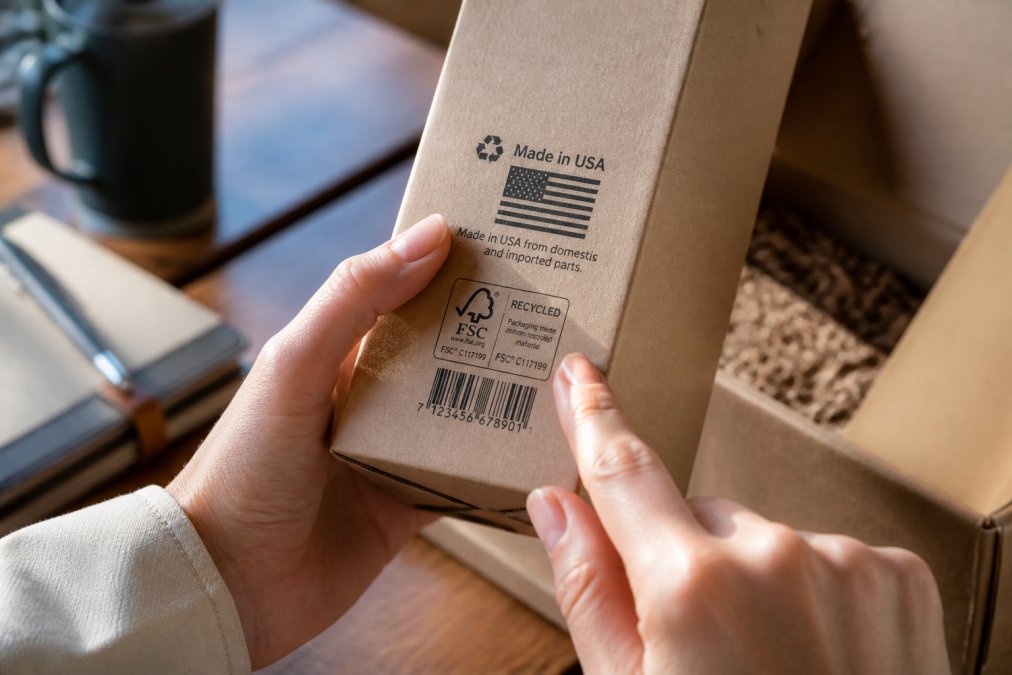
How to Spot Fake Made in USA Labels and Red Flags
Counterfeit labeling is more common than most shoppers realize. Manufacturers know that "Made in USA" commands premium pricing and consumer trust, so some simply fabricate the claim. Learning to spot the visual and textual red flags separates savvy buyers from those who get duped.
Common Deceptive Labeling Tactics
The most obvious deceptive tactic is vague sourcing language. Phrases like "Made with USA materials" or "Product of USA" are not the same as "Made in USA." The FTC distinguishes between these claims strictly. "Made with USA materials" might mean 10% domestic content. "Product of USA" is even vaguer and often meaningless.
Another common trick is burying origin information in tiny print while the "Made in USA" label dominates the packaging. Authentic manufacturers put all origin claims in equally prominent locations. If the "Made in USA" label is large and the fine print says "assembled with imported components," that's intentional deception.
Some sellers use misleading flags or patriotic imagery to suggest domestic origin without actually stating it. A product with an American flag and no explicit origin claim is trying to manipulate your assumptions. Authentic manufacturers state their sourcing directly and confidently.
Watch for vague certification claims too. Phrases like "certified authentic" or "verified quality" sound official but mean nothing without a specific third-party certifier backing them. Real certifications come from recognized organizations with transparent standards.
What Authentic Labels Should Include
Legitimate USA made gifts carry specific information that counterfeit labels omit. Look for these elements:
A clear statement: "Made in USA" or "Manufactured in USA", not qualified language like "assembled" or "with USA materials" unless that's genuinely all the manufacturer claims.
Origin of raw materials, at minimum. Many authentic manufacturers note whether materials are domestically sourced or imported. This transparency builds trust.
The manufacturer's name and location. A real business stands behind its products. If the label lists only a distributor or refuses to identify the actual manufacturer, that's suspicious.
Contact information for consumer inquiries. Legitimate manufacturers want customers to verify their claims. A phone number or website where you can ask questions is a standard feature of authentic labeling.
Batch or production information. Many artisan and small-batch manufacturers include production dates or batch numbers. This shows they track individual items and stand behind them.
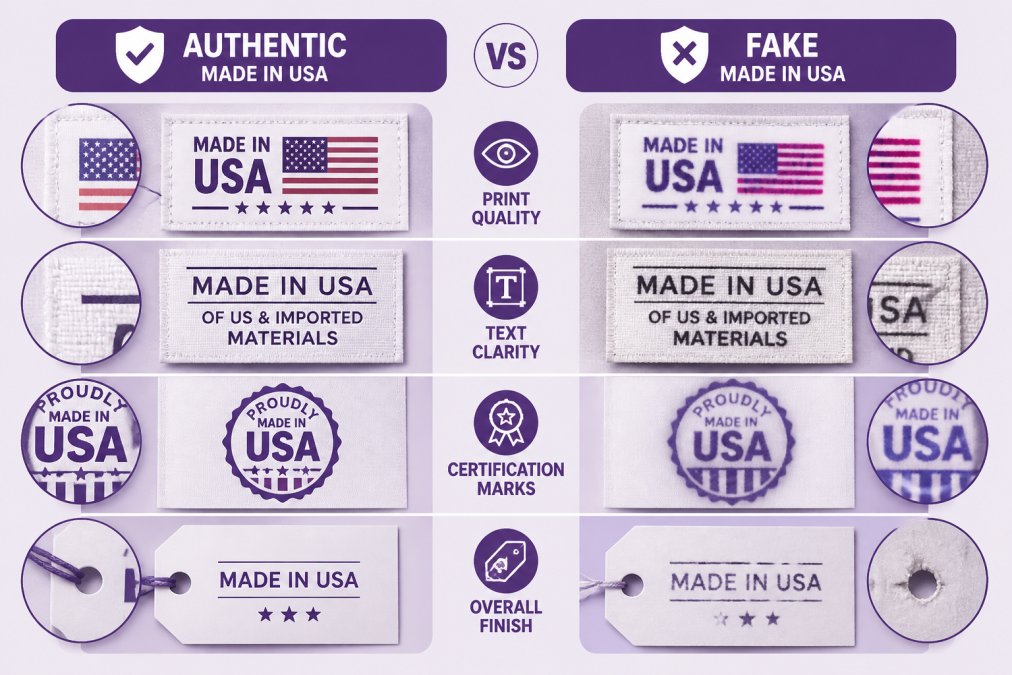
Step-by-Step Guide to Verify Authentic USA Made Gifts
Verification takes time, but it's the only reliable way to confirm you're buying genuine authentic USA made gifts. Follow these steps in sequence, and you'll have confidence in your purchase.
Step 1: Check the Product Label and Packaging
Start with the physical label. Read every word carefully, don't skim. Note the exact origin claim (is it "Made in USA" or something weaker?). Write down the manufacturer's name, location, and any contact information.
Examine the label quality itself. Authentic manufacturers invest in professional printing. If the label looks fuzzy, colors are misaligned, or text is crooked, that's a sign of counterfeiting. Professional printing is a baseline expectation.
Check for consistency across all packaging. The origin claim should appear in the same format on the main label, any secondary labels, and product documentation. Inconsistencies suggest different suppliers or deceptive practices.
Look at the materials listed. Genuine manufacturers specify material sourcing. If the label says "made from premium USA materials" but lists no specifics, request more information before buying.
Step 2: Research the Seller's Supply Chain
Visit the seller's website and look for a "sourcing" or "manufacturing" page. Legitimate businesses document their supply chain openly. They'll explain where materials come from, which manufacturing steps happen domestically, and why they chose those sources.
Contact the seller directly with specific questions: Where are raw materials sourced? Which manufacturing processes happen domestically? Can they provide documentation? Authentic manufacturers answer these questions promptly and thoroughly. Evasive responses are a major red flag.
Ask for third-party verification or certifications. Legitimate manufacturers often work with certifying bodies that audit their supply chains. They're happy to provide documentation. If a seller claims "Made in USA" but has no certifications and won't provide documentation, be skeptical.
Check online reviews and forums. Other consumers often discuss manufacturing practices. If multiple reviews mention "looks imported" or "materials don't match the label," that's worth investigating further.
Step 3: Look for Third-Party Certifications
Not all authentic USA made gifts carry certifications, but certifications are a strong credibility signal. Organizations like the American Manufacturing Association or industry-specific certifiers audit supply chains and verify origin claims (nam.org).
Search for the certification name on the certifying organization's website. Verify that the seller's product actually appears on their certified list. Counterfeiters sometimes reference certifications they don't actually hold.
Understand what each certification covers. Some certify only final assembly. Others audit the entire supply chain. Know which standard applies to the product you're buying.
Be aware that smaller artisan manufacturers might not carry formal certifications. That doesn't make them inauthentic, it just means you'll rely more heavily on direct communication and documentation.
Step 4: Use Digital Verification Tools
Several platforms now allow consumers to verify product origins. The Better Business Bureau maintains records of businesses and their practices. The FTC's website includes a searchable database of companies with substantiated "Made in USA" claims.
Some manufacturers use blockchain or QR code verification. Scan the code on the product packaging, and you'll see the supply chain documented digitally. This technology is still emerging but increasingly common among serious manufacturers committed to transparency.
Request documentation directly from the seller. Legitimate manufacturers keep records of material sourcing, production dates, and assembly locations. Many will provide copies to serious buyers.
Cross-reference the seller's claims with industry databases. Organizations in jewelry, leather goods, and home goods often maintain lists of verified domestic manufacturers. Check whether your seller appears on these lists.
Red Flags That Signal Counterfeit or Misleading Claims
Certain warning signs appear consistently when sellers are being deceptive about authenticity. Learn to recognize them.
Unusually low pricing for "Made in USA" products is a major red flag. Domestic manufacturing costs more than overseas production. If the price seems too good to be true, it probably is. Authentic USA made gifts cost more because they should.
Inability to answer basic supply chain questions suggests the seller doesn't actually control the manufacturing process. They might be dropshipping from overseas suppliers or purchasing pre-made goods and adding minimal finishing touches.
Vague or constantly changing origin statements are another warning sign. If a seller says "Made in USA" on the website but "Assembled in USA" in an email, they're being inconsistent. Authentic manufacturers maintain consistent messaging.
No physical address or contact information for the manufacturer is suspicious. Legitimate businesses want customers to reach them. A P.O. box with no street address, or a phone number that goes to voicemail indefinitely, suggests the operation isn't real.
Reluctance to provide documentation or certifications when asked is telling. Authentic manufacturers have nothing to hide. They'll provide invoices, certifications, and supply chain documentation. Evasiveness indicates deception.
Images that look suspiciously professional or stock-photo-like might indicate the product doesn't actually exist. Compare the images to other products from that manufacturer. Do they match in quality and style? Inconsistencies suggest the images are borrowed or fabricated.
Why Authenticity Matters for Your Gift
Buying authentic USA made gifts isn't just about supporting domestic manufacturing, though that matters. It's about ensuring the person receiving your gift gets what you're actually paying for.
Counterfeit claims often correlate with poor quality. If a seller is lying about origin, they're probably cutting corners elsewhere. The materials might be lower grade. The craftsmanship might be rushed. The longevity of the gift suffers.
When you buy authentic USA made gifts, you're getting products backed by real accountability. If something goes wrong, you can contact the actual manufacturer. You know where the product came from and who made it. That transparency matters when you need customer service.
Artisan craftsmanship, which often accompanies genuine domestic manufacturing, means your gift is more unique and thoughtfully made. Mass-produced imports are identical to thousands of others. Authentic USA made gifts, especially personalized ones, carry real individuality.
For sentimental gifts, a personalized piece of jewelry for a partner, a custom leather journal for a mentor, authenticity enhances meaning. You're not just giving an object; you're giving something made with care by real people in a real place. That story matters to the recipient.
Gear Luxe Co's commitment to domestic assembly and shipping means every gift carries that authenticity. Each piece is designed with love and care, assembled locally, and backed by a 100% customer satisfaction guarantee. You're not just buying a gift; you're supporting a small business that stands behind its work.
Frequently Asked Questions
Q: How can I verify if a product is truly USA made?
A: Check the label for explicit 'Made in USA' claims backed by FTC standards, which require all or virtually all product components and processing to be American-made. Research the seller's supply chain transparency, look for third-party certifications, and use digital verification tools. Contact the seller directly if labeling is vague, legitimate manufacturers welcome questions about country-of-origin.
Q: What is the FTC Made in USA standard and how does it differ from 'Assembled in USA'?
A: The FTC requires 'Made in USA' claims to mean all or virtually all significant components and processing occurred in the country. 'Assembled in USA' is less stringent, it means final assembly happened here, but raw materials or components may be imported. This distinction matters: a gift labeled 'Assembled in USA' may contain primarily foreign-made parts. Always check which claim is made, as they carry different implications for domestic manufacturing support and supply chain transparency.
Q: What are common red flags when shopping for authentic USA made gifts?
A: Watch for vague language like 'proudly inspired by American values' instead of explicit country-of-origin claims. Be suspicious of unusually low prices for items claiming domestic production, authentic handcrafted work costs more. Avoid sellers with no transparent supply chain information, missing certification details, or generic product descriptions. Poor label quality, spelling errors, or missing manufacturing details signal counterfeits. Legitimate businesses provide clear provenance, production timelines, and verifiable contact information.
Q: How can I tell the difference between authentic and counterfeit USA made labels?
A: Authentic labels feature clear, professional printing with specific manufacturer names, addresses, and production dates. Genuine certifications include recognizable third-party logos and contact information for verification. Counterfeit labels often have blurry text, generic claims without specifics, or vague language about sourcing. Check for consistent branding across packaging, tags, and the seller's website. When in doubt, contact the manufacturer directly, legitimate businesses can verify their products and provide supply chain documentation or quality assurance details.
Choosing authentic USA made gifts requires vigilance, but the effort pays off in quality, meaning, and peace of mind. You'll know exactly what you're giving, and to whom you're giving your business. That transparency and accountability are what separate genuine gifts from counterfeit claims.
This article was written using GrandRanker


