


Table of Contents
- Understand Metal Options for Durability
- Evaluate Craftsmanship and Quality
- Match Jewelry to Your Lifestyle
- Selecting Personalized Gold Necklaces
- How to Clean Personalized Jewelry
- Budgeting and Investment Considerations
- Personalization Techniques That Last
- Repairability and Long-Term Maintenance
Last Updated: August 27, 2026
Understand Metal Options for Durability
Choosing durable personalized jewelry starts with understanding what metals will actually hold up over time. Metal durability depends on two factors: the metal's inherent resistance to corrosion and wear, and how it's combined with other materials in the final piece.

Solid Metals vs. Plated Options
The most important distinction in metal selection is whether you're choosing solid metal or plated metal. Solid metals contain the same material throughout the entire piece, while plated options use a thin layer of precious metal bonded over a base metal core.
Solid metals like sterling silver, solid gold, and platinum offer superior longevity. They can be resized, repaired, and refinished repeatedly without compromising the piece's integrity. When you wear a solid metal piece daily, it develops a patina that can be polished away, restoring the piece to near-original condition.
Plated options have a finite lifespan. The plating layer gradually wears away with daily contact, sweat, and friction. Once the base metal shows through, the piece loses its aesthetic appeal and becomes difficult to restore. For personalized jewelry meant to be worn regularly, solid metals are the more durable choice.
Gold-Filled vs. Gold-Plated Jewelry for Daily Wear
Gold-filled jewelry contains a layer of gold mechanically bonded to the base metal under heat and pressure. Federal regulations require that gold-filled pieces contain at least 5% gold by weight (the FTC). This thicker layer means gold-filled pieces can withstand 10-30 years of daily wear before the base metal shows through (peer-reviewed research).
Gold-plated jewelry uses electroplating to apply a very thin layer of gold, often less than 1% by weight, over the base metal (the FTC). This thin coating wears away within 6-24 months of daily wear depending on activity level and care. For personalized jewelry worn daily, gold-filled is substantially more durable than gold-plated and represents an excellent middle ground between affordability and longevity.
Evaluate Craftsmanship and Quality
The quality of construction determines whether your personalized jewelry will survive daily wear or fall apart within months. Even the best materials can be ruined by poor craftsmanship.
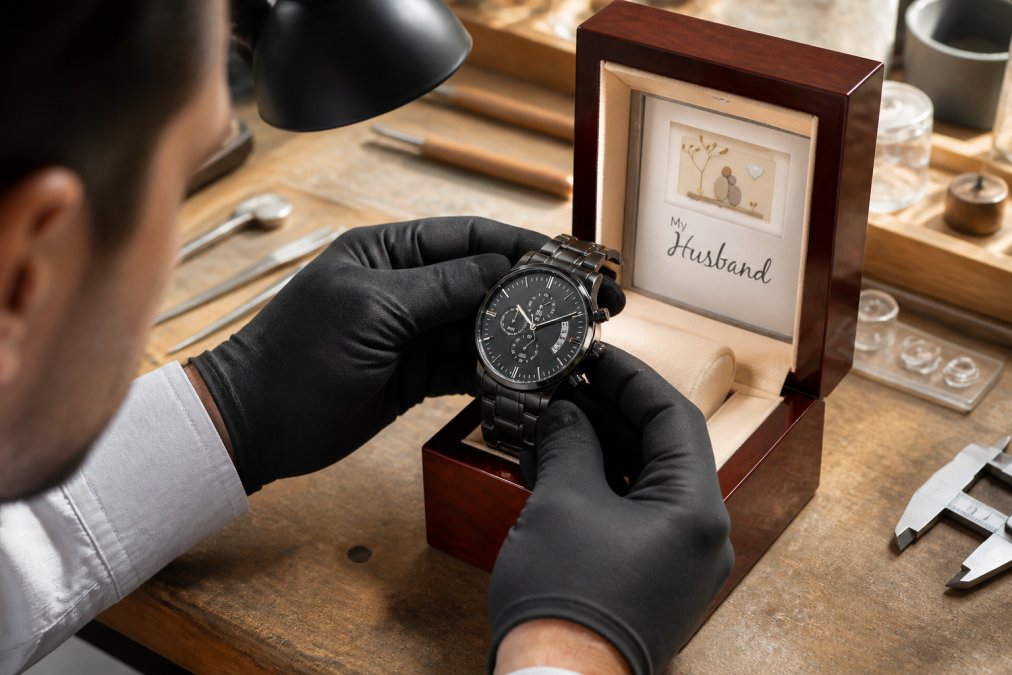
Signs of Quality Construction
Look for these specific markers of quality when evaluating personalized jewelry:
Hallmarking and metal stamps. Legitimate precious metal pieces carry hallmarks indicating metal type and purity. Sterling silver carries a ".925" mark. Gold pieces show karat weight: "14K," "18K," or "24K." Platinum carries "PT" or "PLAT." These stamps prove authenticity and give you recourse if the piece doesn't meet standards.
Secure stone settings. Prongs should be smooth and evenly spaced with no sharp edges. Bezel settings (where metal wraps around the stone) offer more security for daily wear than open prongs. Stones should be set firmly with no visible movement.
Clean solder joints. Where metal components connect, look for smooth solder joints without excess material, pitting, or rough edges. Quality soldering is invisible.
Smooth engraving. Personalized text or designs should have clean, consistent depth with no jagged edges or inconsistent lettering. The engraving should feel smooth to the touch with no sharp burrs.
Proper closure mechanisms. Clasps and attachment points should be secure and smoothly finished. Lobster clasps should click firmly. Jump rings should be properly closed with no gaps.
When you examine personalized jewelry from Gear Luxe Co, you'll notice these quality markers throughout. Each piece is designed with attention to construction details that determine whether it survives years of daily wear.
Match Jewelry to Your Lifestyle
Your lifestyle determines which metals and styles will actually survive in your daily environment. Consider your daily activities honestly. Do you shower or swim regularly while wearing jewelry? Do you exercise or do manual work?
For active lifestyles with frequent water exposure, platinum and solid gold are superior to silver. Platinum is virtually indestructible and won't tarnish or corrode. Solid gold resists corrosion well, though lower karat weights like 10K are more durable than higher karats for active wear because they contain more alloy metals that increase hardness. Sterling silver tarnishes when exposed to moisture and requires regular maintenance.
If you work with your hands, choose metals with lower profiles and secure settings. Metals like titanium or tungsten offer exceptional hardness for pieces that will endure constant contact and friction.
For office-based professionals with minimal physical activity, a wider range of metals works well. The key is choosing a style you'll actually wear consistently.
Selecting Personalized Gold Necklaces
Personalized gold necklaces are among the most popular custom jewelry choices. Selecting one that will last requires attention to several specific factors beyond just the metal itself.
Design Scale and Daily Wear Comfort
The physical size and weight of your personalized gold necklace directly impact both its durability and wearability. For daily wear necklaces, the pendant should be proportional to your frame and clothing style. Pieces that dangle too far from the neck experience more movement and friction, increasing wear on the chain and attachment point.
Chain thickness matters significantly. Delicate chains under 1mm in diameter break easily with daily wear. Chains between 1.5-2mm offer an excellent balance between aesthetic appeal and durability. The attachment point where the pendant connects to the chain is critical, look for jump rings or bail connections that are soldered closed rather than simply twisted.
Weight is another practical consideration. If you plan to wear your personalized gold necklace all day, test the weight first. Gold-filled options provide the aesthetic of gold with less weight, making them more comfortable for all-day wear.
How to Clean Personalized Jewelry
Proper cleaning and maintenance are essential to keeping your durable personalized jewelry looking beautiful for decades.
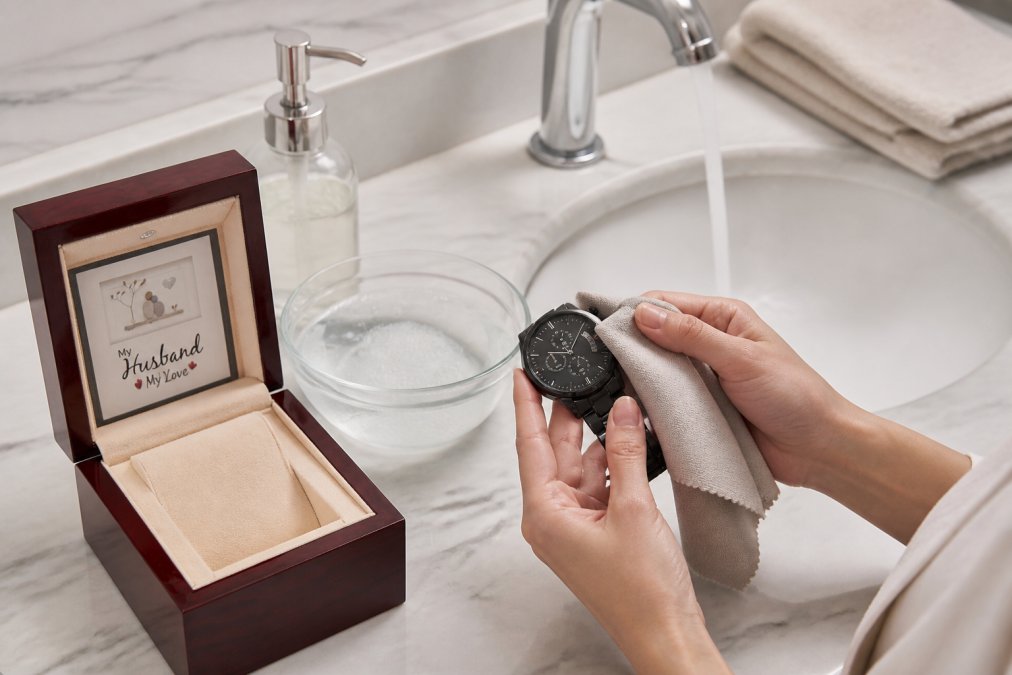
Maintenance Routines for Long-Term Longevity
Regular cleaning prevents tarnish and buildup from becoming permanent damage. For sterling silver and gold:
Weekly gentle cleaning. Use warm water, a few drops of mild dish soap, and a soft cloth. Submerge the piece for a few minutes to loosen debris, then gently wipe with the cloth. Rinse thoroughly and dry immediately with a lint-free cloth.
Monthly deeper cleaning. For pieces with engravings or detailed work, use a soft-bristled toothbrush to gently clean crevices. Use the same warm soapy water, brush gently in circular motions, then rinse and dry thoroughly.
Avoid harsh chemicals. Chlorine, bleach, and harsh cleaning products corrode gold, silver, and platinum. Remove jewelry before swimming in chlorinated pools or using household cleaners.
Store properly. Keep personalized jewelry in a dry location away from humidity. Individual soft pouches prevent pieces from rubbing against each other and scratching.
Professional cleaning annually. Once yearly, have your personalized jewelry professionally cleaned and inspected. Professional jewelers use ultrasonic cleaners and specialized solutions that remove buildup you can't access at home.
Budgeting and Investment Considerations
Quality personalized jewelry requires realistic budgeting. Solid gold necklaces start around $200-400 for modest designs. Gold-filled options typically range from $80-200. Sterling silver personalized pieces generally cost $60-150. Platinum pieces command premium prices, typically $500 and up.
When budgeting, consider the cost-per-year-of-use rather than just the upfront price. A $300 solid gold necklace worn daily for 30 years costs $10 per year. A $80 gold-filled piece that lasts 15 years costs about $5.33 per year. From this perspective, investing in better materials often makes financial sense.

Personalization adds to the cost, typically $15-50 depending on complexity. This is money well spent because personalization transforms a generic piece into something meaningful and irreplaceable. Watch out for deals that seem too good to be true, personalized jewelry priced significantly below market rates often uses poor quality materials or construction.
Personalization Techniques That Last
Different personalization methods have different durability profiles.
Engraving is the most durable personalization method. Text or designs are cut directly into the metal surface, creating a permanent mark that can't wear away. Engraved pieces actually improve over time as the metal develops patina and the engraving becomes more visible.
Stamping is similar to engraving but uses less depth. The personalization is pressed into the metal rather than cut away. Stamped designs are durable but slightly less permanent than deep engraving.
Enameling adds color through a glass-like coating fused to the metal. Enamel is durable in protected locations but can chip if the piece experiences impact or friction.
Inlay involves setting contrasting materials into the jewelry surface. Inlay is beautiful but requires secure settings to prevent loosening with daily wear.
Plating with personalization is the weakest option. If you personalize a plated piece through engraving, the engraving will expose the base metal beneath the plating. Avoid personalizing plated pieces unless you specifically want this effect.
For durable personalized jewelry, engraving on solid metals is the gold standard. It's permanent, requires no ongoing maintenance, and actually becomes more distinctive as the piece ages.
Repairability and Long-Term Maintenance
The ability to repair your personalized jewelry determines whether it becomes a lifelong keepsake or gets discarded when damage occurs.
Solid metal pieces are highly repairable. A broken sterling silver chain can be replaced. A loose stone can be reset. A bent ring can be straightened. Professional jewelers can perform all these repairs repeatedly without compromising the piece's structural integrity. This repairability is why solid metal pieces appreciate in value over time.
Plated pieces are difficult or impossible to repair cost-effectively. Once a plated piece breaks, it's often discarded. Gold-filled pieces fall between these extremes and are economically repairable for most common repairs.
When selecting personalized jewelry you intend to keep long-term, choose materials that can be repaired affordably. Solid metals offer the best long-term value because repairs are always possible and always worthwhile. Ask the jeweler how repairs would be handled if the piece breaks in the future, their answer reveals whether they've built the piece to last.
Choosing durable personalized jewelry means making deliberate decisions about materials, craftsmanship, and maintenance rather than simply picking what looks good. Solid metals, quality construction, and proper care transform a custom piece into something that lasts decades and becomes more meaningful with age. When you invest in durable personalized jewelry from Gear Luxe Co, you're choosing pieces designed with this longevity in mind. Explore Gear Luxe Co's collection of personalized watches, including options like the My Husband My Love - Black Chronograph Watch at $89.95, and discover how quality craftsmanship and thoughtful personalization create gifts that truly last.

Frequently Asked Questions
Q: What materials make personalized jewelry the most durable?
A: Solid precious metals like 14k or 18k gold, sterling silver, and platinum offer the highest durability for daily wear. Platinum resists scratches best, while solid gold maintains its beauty through years of wear. Gold-filled jewelry lasts longer than gold-plated options because the gold layer is mechanically bonded and much thicker. For durable personalized jewelry, solid metals significantly outperform plated alternatives over time.
Q: Is gold-plated or gold-filled jewelry better for daily wear?
A: Gold-filled jewelry is superior for daily wear. The gold layer in gold-filled pieces is 100 times thicker than gold-plated jewelry, making it far more resistant to wear and tear. Gold-plated jewelry typically shows signs of tarnish and base metal exposure within months of regular use, while gold-filled can last 5-10 years or longer with proper care. If you're selecting personalized gold necklaces for constant wear, gold-filled provides better value and longevity than plated options.
Q: How should you care for personalized jewelry to ensure longevity?
A: Store personalized jewelry separately to prevent scratching, and clean it regularly using mild soap and warm water with a soft cloth. Avoid harsh chemicals, perfumes, and lotions that can damage engravings and accelerate tarnish. Remove jewelry before swimming, exercising, or sleeping. For how to clean personalized jewelry, use a soft-bristled brush gently around engraved areas. Professional cleaning once yearly helps maintain brilliance. These practices extend the life of your custom pieces significantly.
Q: What are the signs of poor craftsmanship in custom jewelry?
A: Poor craftsmanship shows in rough or uneven engravings, inconsistent hallmarking, loose stones, and poorly soldered joints. Examine the back and inside surfaces, quality work is clean throughout, not just visible areas. Low-quality settings may feel flimsy or have sharp edges. Check for gaps between metal components and inspect solder lines for cracks. If an engraving feels rough to the touch or looks uneven, the piece likely lacks proper craftsmanship and won't withstand daily wear.
This article was written using GrandRanker


