


Table of Contents
- What Is Gold Vermeil and Solid Gold?
- Gold Vermeil Durability: What to Expect
- Gold Filled vs Gold Vermeil: Key Differences
- Price Comparison: Initial Cost and Long-Term Value
- Gold Vermeil Care and Maintenance
- Which Material Is Right for Your Custom Necklace?
- Frequently Asked Questions
Last Updated: October 17, 2026
What Is Gold Vermeil and Solid Gold?
Understanding gold vermeil vs solid gold is essential when choosing custom jewelry materials. These options sit at opposite ends of the durability and cost spectrum, shaping how long your piece lasts and what you invest upfront.
Gold Vermeil: Definition and Construction
Gold vermeil is a layered metal consisting of a thick gold coating bonded to a sterling silver base. Sterling silver, which makes up the core, is 92.5% pure silver mixed with other metals for strength (Buying Platinum, Gold, and Silver Jewelry).
The construction process involves electroplating: applying gold to the silver base through an electrical current. This creates a durable finish that looks and feels like solid gold but costs significantly less, making vermeil attractive for custom necklaces where the front-facing metal matters most.
Solid Gold: Purity and Karat Weight
Solid gold is exactly what the name suggests: gold throughout the entire piece. Purity is measured in karats, with 24 karat being pure gold. Most jewelry uses 14 karat or 18 karat gold, which blend pure gold with other metals to improve durability and workability.
18 karat gold is 75% pure gold; 14 karat is 58.3%. Higher karat means more gold content, richer color, and higher cost. Solid gold pieces maintain their integrity indefinitely, they don't wear through, tarnish, or fade because the composition is consistent throughout.
Gold Vermeil Durability: What to Expect
Gold vermeil delivers genuine gold appearance with a timeline that depends on wear patterns. Durability varies by jewelry type, fabrication, and repair history, understanding those variables helps you decide if vermeil suits your design.
Wear-Through Timeline by Jewelry Type
The 2.5-micron gold layer handles daily wear reasonably well, but not forever. Light wear, occasional evening jewelry or pieces worn a few times per month, can last several years before noticeable fading.
Heavy daily wear accelerates the process. A custom necklace worn constantly, exposed to friction from clothing, sweat, and frequent contact, may show base metal within 6-12 months. Areas of highest friction wear fastest: clasp zones, chain links where the pendant sits, and anywhere the piece contacts skin or fabric repeatedly.
Jewelry type changes the clock:
- Rings: highest friction from hands, tools, and washing. A daily-worn vermeil ring is the most demanding case and may show wear within months.
- Bracelets: constant contact with desks, sleeves, and wrists. Expect faster wear than a necklace.
- Necklaces: moderate; pendants that rest against skin and clothing wear more than chains tucked under a collar.
- Earrings: lowest contact for studs and hoops; dangles that swing against hair and skin wear faster.
Fabrication Choices That Affect Longevity
Custom design decisions influence how long the gold layer lasts. Sharp edges, tight chain links, and high-relief engraving create friction points where plating thins first; rounded edges, avoiding tight articulating joints, and a uniform gold layer reduce risk.
Heat used to join components can disturb the plated layer near the joint, so a custom jeweler may plate after assembly or mask and refinish the area. Ask how the piece will be finished after soldering, a detail that separates experienced vermeil fabricators from generalists.
Tarnishing and Fading Over Time
The sterling silver base becomes visible as the gold wears away. Sterling silver tarnishes naturally when exposed to air and moisture, developing a darker patina that creates an uneven appearance once the gold layer thins.
Water exposure accelerates tarnishing. Showering, swimming, or washing hands while wearing vermeil jewelry speeds up both wear-through and base metal discoloration. Chlorine and saltwater are particularly harsh, degrading the gold layer and promoting tarnish in weeks rather than months.
Repairability and Future Alterations
Vermeil is repairable, but the plated layer changes what a jeweler can safely do. Resizing a ring often requires cutting and soldering, which can damage the plating at the seam and may require refinishing or replating. Chain repairs are routine, but the repaired zone may show a color difference until replated.
Solid gold avoids these constraints: it can be resized, soldered, and refinished repeatedly without a plating layer to preserve. For a piece you expect to alter over time, solid gold is the more flexible substrate.
How to Verify a Vermeil Piece
Vermeil-specific standards separate it from gold plated: a sterling silver substrate (92.5% silver), a gold layer of at least 2.5 microns, and gold of 10 karat or higher. Ask your jeweler to document the substrate, plating thickness, and karat in writing, the only reliable way to confirm you're getting vermeil rather than a thinner gold-plated finish.
Gold Filled vs Gold Vermeil: Key Differences
Gold filled and gold vermeil are often confused, but they differ in construction and durability. Gold filled uses mechanical bonding that fuses a gold layer to a base metal core under heat and pressure, creating a much thicker layer than vermeil.
This thickness difference translates to lifespan. Gold filled pieces can withstand decades of wear before showing base metal. Vermeil, with its thinner layer, wears faster. For custom jewelry intended as an heirloom or long-term investment, gold filled edges ahead of vermeil in durability.
Price Comparison: Initial Cost and Long-Term Value
Initial purchase price heavily favors vermeil. A custom vermeil necklace from Gear Luxe Co starts around $39.95 to $54.95 depending on design complexity, while solid gold pieces cost substantially more. But the sticker price is only the first line item, the real comparison is total cost of ownership across a realistic wearing period, which depends on design, metal weight, and wear frequency.
What Drives the Upfront Cost of a Custom Piece
For solid gold, the dominant cost is metal weight and karat. At the same dimensions, 18K costs more per gram than 14K because it contains more gold, and it's softer, so a jeweler may need thicker stock to hit a durability target.
For vermeil, cost is driven by the sterling silver body plus electroplating.
Classic Heart Style Name Necklace →
A Transparent Total-Cost Model
Use a simple three-line model: upfront cost + expected maintenance + replacement risk.
- Upfront cost: vermeil is lowest; solid gold is highest; gold filled sits between them.
- Expected maintenance: vermeil may need replating every 2-3 years under daily wear, typically $25-$75 per piece depending on size and complexity. Solid gold generally needs only cleaning and occasional professional polishing, which most jewelers price modestly.
- Replacement risk: vermeil can be replated repeatedly as long as the sterling silver core is sound, but a piece that wears through in a high-friction area and is not maintained may eventually need replacement. Solid gold does not wear through, so replacement risk is low unless the piece is lost or badly damaged.
Run the math for a daily-worn necklace over ten years: a $39.95 vermeil piece replated three times at $50 each totals roughly $190, while a solid gold piece at a higher upfront price carries near-zero replating cost. The gap narrows over a decade, and for daily wear solid gold can become the lower total-cost option. For a special-occasion piece worn a few times a year, vermeil's replating interval stretches out and the upfront savings usually win.
Where the Crossover Happens
The crossover point depends on wear frequency and design. High-friction designs, rings, bracelets, and pendants that rub against clothing, push vermeil toward earlier replating and make solid gold more economical sooner. Low-contact designs, earrings and occasional necklaces, keep vermeil ahead on total cost for years. For an heirloom or daily signature, model the ten-year cost; for a seasonal or gift piece, the upfront price is the better guide.
Gold Vermeil Care and Maintenance
Proper care extends vermeil's lifespan and delays visible wear. Simple habits protect the gold layer and keep your custom necklace looking fresh longer.
Daily Cleaning and Storage
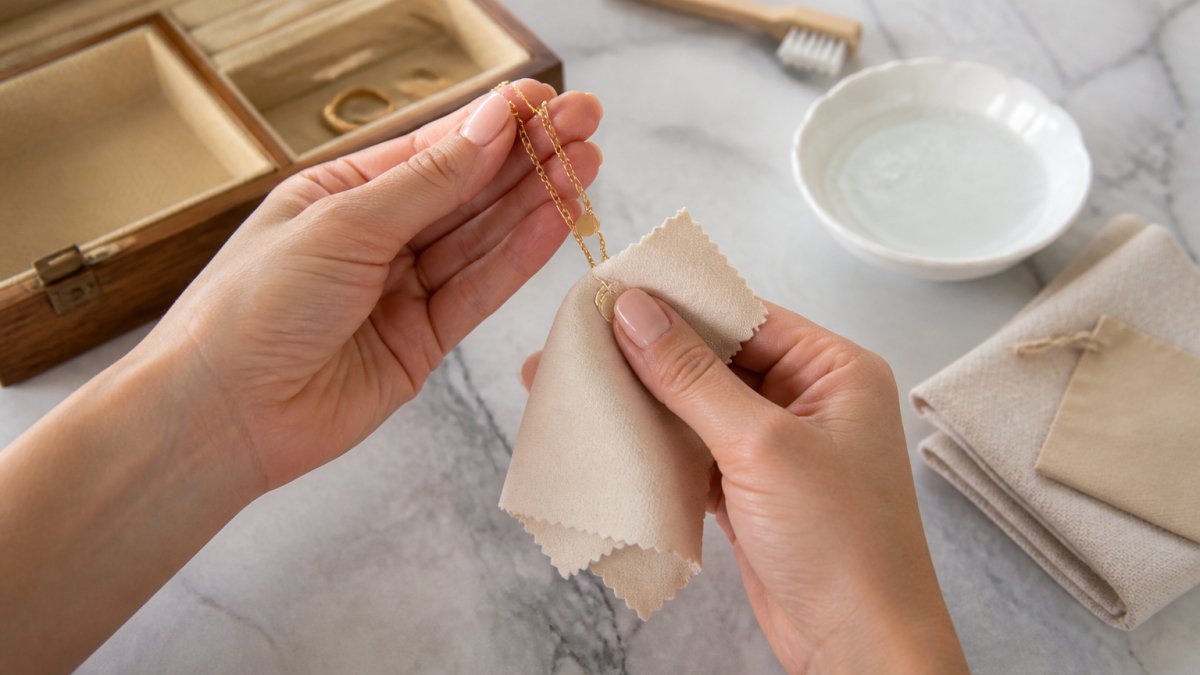
Remove vermeil jewelry before showering, swimming, exercising, or doing dishes, water and sweat accelerate wear and tarnishing. Clean with a soft, dry cloth, never abrasive materials or commercial jewelry cleaners.
Store vermeil pieces in a cool, dry place away from direct sunlight. A soft-lined jewelry box or sealed pouch prevents air exposure that promotes tarnishing, and keeping pieces separate avoids friction wear.
Replating and Repair Options
When gold vermeil shows wear and base metal becomes visible, replating restores the piece to like-new condition.
Custom necklaces can be replated by most local jewelers, though confirm they have vermeil experience before sending your piece, some prefer replating solid gold because the sterling silver base can complicate the process.
For significant damage beyond wear-through, bent chains, broken clasps, or damaged pendants, repair costs vary. Simple clasp replacement runs $15-40, while more complex repairs cost more.
Which Material Is Right for Your Custom Necklace?
Your choice depends on how you plan to wear the piece and what it means to you.
Everyday Wear vs Special Occasions
If your custom necklace is a special-occasion piece worn a few times per year, vermeil is practical.
For everyday wear, solid gold becomes more economical. A necklace worn daily accumulates wear quickly on vermeil, requiring replating sooner; solid gold eliminates this cycle and maintains its appearance indefinitely. The higher initial cost pays for itself through avoided replating expenses and peace of mind.
Sentimental and Heirloom Pieces
Custom necklaces with names, initials, or meaningful symbols carry emotional weight.
Vermeil can work for sentimental pieces if you're comfortable with eventual replating. Some people view replating as part of caring for a meaningful piece, refreshing it periodically. If that mindset fits you, vermeil's lower cost makes personalized designs accessible that you might otherwise skip.
Sensitive Skin and Metal Allergies
Sterling silver, the base metal in vermeil, can trigger reactions in people with nickel sensitivity. While sterling silver is 92.5% pure silver, the remaining 7.5% often includes nickel, a common allergen.
Solid gold, particularly 18 karat, is hypoallergenic for most people. Higher gold content means fewer base metals, and nickel is rarely used in quality solid gold jewelry. If you or the recipient has sensitive skin or a known nickel allergy, solid gold eliminates this concern entirely.
Choosing between gold vermeil vs solid gold for custom jewelry comes down to balancing cost, durability, and intended use. At Gear Luxe Co, we offer custom necklace designs like the Classic Heart Style Name Necklace and Classic Vertical Name Necklace, available in either polished stainless steel or 18K yellow gold finish.

Frequently Asked Questions
How long will gold vermeil last on a custom necklace?
Gold vermeil typically lasts 1-3 years with daily wear before the gold layer begins to wear through, depending on how often you wear it and how well you care for it. The 14K or 18K gold plating sits over sterling silver, so friction from skin contact, clothing, and friction gradually thin the layer. Light or occasional wear extends the lifespan significantly. Many owners find their vermeil pieces remain beautiful for 5+ years with gentle handling and proper storage.
Is gold vermeil durable enough for everyday wear?
Gold vermeil can handle everyday wear, but it requires care. The gold layer is thicker than gold-plated jewelry (at least 2.5 microns by definition), which gives it better durability. However, solid gold is more resilient to constant friction and moisture exposure. If you choose vermeil for daily wear, remove it during activities like swimming, showering, or exercise, and store it in a dry place. Gentle handling and regular maintenance significantly extend its lifespan.
What is the difference between gold filled and gold vermeil?
Gold filled and gold vermeil both layer gold over a base metal, but differ in construction. Gold filled uses a thicker mechanical bond (typically 5% gold by weight) and bonds gold to brass or copper. Gold vermeil bonds a thinner layer (2.5+ microns) of 14K or 18K gold to sterling silver. Vermeil is generally more affordable but less durable, while gold filled offers better longevity. For custom necklaces, vermeil provides a richer appearance, making it popular for sensitive skin.
Can gold vermeil jewelry be replated?
Yes, gold vermeil can be replated. Once the gold layer wears through, a jeweler can strip the old plating and apply a fresh layer of 14K or 18K gold. Replating costs typically range from $25-$75 depending on the piece size and jeweler. This makes vermeil an economical choice for sentimental custom necklaces, as you can restore them to like-new condition without replacing the entire piece or the sterling silver base.


